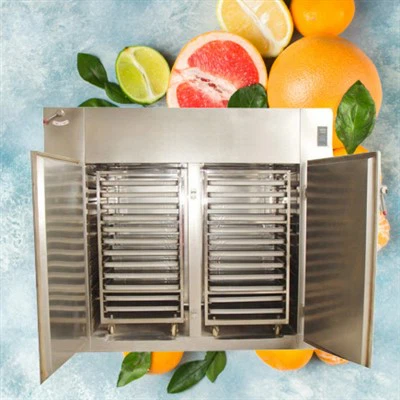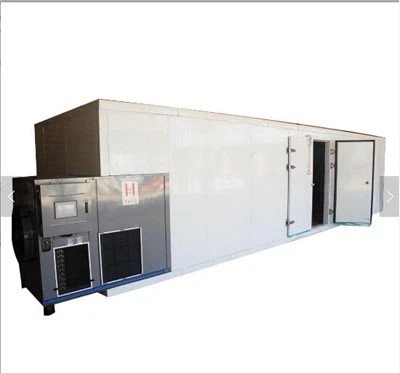


Product introduction
A fruit drying machine is an essential device used to remove moisture from fruits, extending their shelf life and preserving nutritional value. Mechanically, these machines typically feature a heat source, such as electric or gas heaters, which can generate warm air at adjustable temperatures ranging from 35°C to 80°C, depending on the type of fruit being dried. This warm air is circulated through the drying chamber using powerful fans, ensuring uniform temperature distribution and efficient moisture removal across all fruit pieces. The drying process can be fine-tuned through adjustable temperature and humidity settings, allowing for precise drying conditions that optimize the retention of flavor, color, and nutrients. Quantitatively, many machines have varying capacities, ranging from small models suitable for home use (e.g., 5-10 kg of fruit per batch) to industrial-scale machines that can process hundreds of kilograms per hour (e.g., 200-500 kg).

Product features
Adjustable Temperature Control
One of the key features of fruit drying machines is adjustable temperature control, typically ranging from 35°C to 80°C. This feature allows users to tailor the drying process according to the specific requirements of different fruits, ensuring optimal water removal while preserving flavor and nutritional content. For instance, delicate fruits like strawberries may require lower temperatures (around 50°C) to prevent over-drying, which can result in a loss of essential nutrients and make the fruit hard and less palatable. In contrast, more robust fruits like apples can tolerate higher temperatures (around 70°C) because their cellular structure is more resilient to heat. So a higher drying temperature enables faster water removal from apples without compromising quality. In practical applications, users can easily adjust settings based on the type of fruit being processed, leading to better end products and higher customer satisfaction.
Energy Efficiency
Many modern fruit drying machines are designed with energy efficiency in mind, often utilizing insulation materials and advanced heat recovery systems that can reduce energy consumption by 30-50% compared to older models. Insulation materials minimize heat loss from the drying chamber, ensuring that the generated heat is retained and used effectively in the drying process. Meanwhile, heat recovery systems capture and reuse exhaust heat by routing the hot air that exits the drying chamber through a heat exchanger. This heat exchanger transfers the residual heat from the exhaust air to the incoming cool air, warming it before it enters the drying chamber. This combination of effective insulation and heat recovery not only lowers energy bills but also makes the drying process more sustainable, appealing to environmentally conscious consumers.
Humidity Control
The incorporation of humidity control features allows fruit drying machines to monitor and adjust the moisture levels in the drying chamber actively. Most machines come equipped with hygrometers that provide real-time humidity readings, which are connected to a control system that adjusts the airflow, temperature, or dehumidifiers in response to these readings. This automated system ensures that humidity levels remain within the desired range throughout the drying process. When the hygrometer detects excess moisture, the machine increases airflow or heat, or activates the dehumidification system, accelerating moisture removal. Conversely, if humidity drops too low, the system can reduce airflow or lower the temperature to prevent over-drying. This feature is critical because excessive humidity can lead to mold growth and spoilage, while insufficient humidity can result in overly dry products that lose flavor and texture.


Hot Tags: fruit drying machine, China fruit drying machine suppliers, factory, machine to dry vegetables, Fig Drying Machine, Mango Fruit Drying Machine, dehydration of fruits and vegetables machinery, Fruit Dryer Machine, machine to make dried fruit