



Lerford Machinery: Your Professional Food Machinery Manufacturer!
Henan Lerford Machinery Equipment Co., Ltd. was established in 2010. Our company develops and produces machinery and equipment with industrial advantages, and has obtained 38 certificates of various kinds, including ISO, CE, SGS, BV, etc. And we have our own cooperative agents in Europe and Africa. Our overseas warehouse is committed to serving customers all over the world!
Why Choose Us?

Quality Guaranteed
We develop and produce machinery and equipment with industrial advantages, and currently have obtained ISO, CE, SGS, BV and other certificates.
Exporting to Many Countries
Our company currently exports to more than 100 countries and regions around the world. We have our own cooperative agents in Germany in Europe, Nigeria in West Africa, Ghana and Kenya in East Africa.
After-Sale Service Guaranteed
We promise 2-year after-sales service for all equipment, and all trading customers enjoy free online after-sales guidance from Lefu Machinery for life!
Many Product Types
We are mainly engaged in fruit and vegetable processing production lines, agricultural and animal husbandry machinery and equipment production lines, etc.
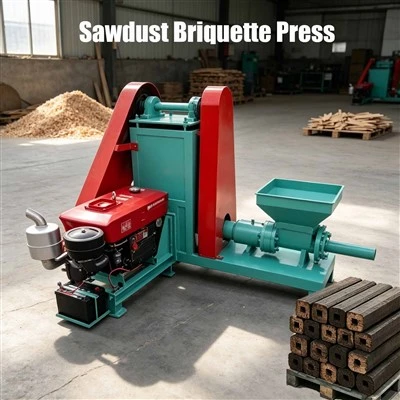


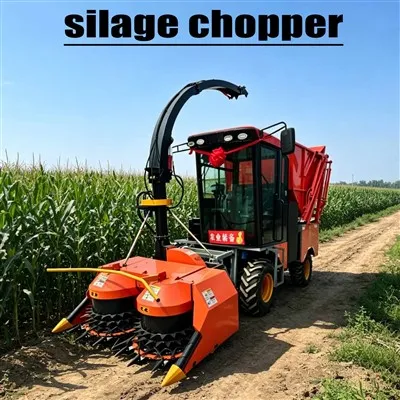

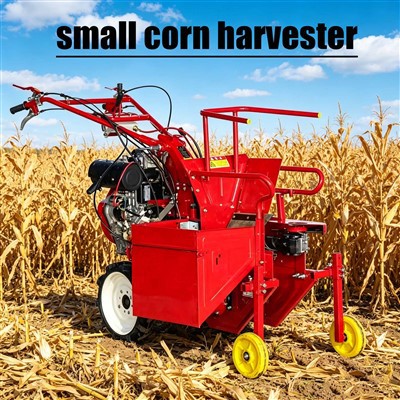
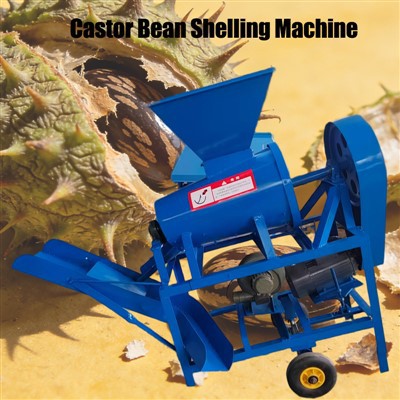






The feed pellet line is a production line that processes raw materials into animal feed pellets, which can be used as feed for livestock, poultry, fish and other animals. The process includes grinding, mixing, pelleting, cooling and packaging of feed.

Features of Feed Pellet Line

High Productivity
The feed pellet production line adopts automated control technology, which can quickly and efficiently complete multiple processes such as processing, mixing, and compression, greatly improving production efficiency.
Good Feed Quality
This production line can be processed according to different feed types and different needs. In particular, the shape, size, moisture content, nutritional content, etc. of specific pellets can be precisely controlled to produce pellets with more stable and higher feed quality.


Advanced Technology
Our production line adopts computer-integrated automatic control technology, which can greatly improve production efficiency, reduce failure rates, and save energy. It is an advanced production equipment that saves energy, reduces emissions, and is environmentally friendly.
Easy to Operate
Compared with traditional manual processing and mixing methods, the feed pellet production line is simpler to operate. You only need to input raw materials and additives and start the equipment to achieve automated production.

Application of Feed Pellet Line
Livestock and Poultry Breeding
Our equipment is widely used in livestock and poultry breeding. Feed pellets can improve feed utilization, reduce waste, and improve livestock and poultry breeding efficiency.
Aquaculture
Our equipment is also suitable for aquaculture. Feed pellets can maintain the nutrients in the water, prevent water pollution, and also avoid the harm of bottom residue to aquatic products.
Pet Keeping
The feed pellet production line can also be used for household pet raising. Pelleted pet food is easier to store and feed, and can break away from the traditional bulk food model.
Feed Processing Plant
Our equipment also provides efficient production tools for feed processing plants. Feed processing plants can produce standard feed pellets in large quantities through the feed pellet production line, reducing production costs and improving production efficiency.

Types of Feed Pellet Line
Small Feed Pellet Production Line
This type of pellet production line is designed for small-scale production of animal feed. It usually includes crushers, mixers, granulators and coolers.
Medium-Sized Feed Pellet Production Line
This type of pellet production line is designed for medium-scale animal feed production. It usually includes crushers, mixers, granulators, coolers and packaging machines.
Large Feed Pellet Production Line
This type of pellet production line is specially designed for large-scale production of animal feed. It usually includes crushers, mixers, granulators, coolers and packaging machines. The production capacity of this type of production line is much higher compared to the other two types.
Aquatic Feed Pellet Production Line
This type of pellet production line is specially designed for the production of fish, crab, shrimp and other aquatic animal feed. It usually includes crushers, mixers, granulators, coolers and packaging machines.
Process of Feed Pellet Line
Pellet Raw Material Pretreatment
First we screen, crush and clean the feed ingredients.
Pellet Raw Materials Mixing
Next, we mix different feed ingredients in proportion to make them evenly distributed.
Pellet Raw Material Feeding
Further, we load the mixed feed ingredients into the feeder and convey them to the pellet mill through the conveyor belt.
Pellet Raw Material Compression
When the feed ingredients are compressed to form feed pellets of a certain size.
Pellet Material Cooling
The pellets are cooled to improve the hardness and stability of the pellets.
Pellet Packing
Finally, we package the pellets as needed to improve the quality and ease of use.
How to Maintain Feed Pellet Line?
Regular Cleaning
It is important to clean the feed pellet production line regularly to prevent the build-up of debris, dust and other unwanted materials that may affect feed quality.
Lubrication of Moving Parts
Feed pellet production lines have many moving parts that require lubrication to prevent wear. Check the manufacturer's guidelines for recommended lubrication frequency and product types.
Equipment Inspection
Regular inspection of all equipment is essential to ensure it is working properly. Look for any signs of wear and damage to prevent further problems.
Replace Worn Parts
Worn or damaged parts can cause problems on your feed pellet production line. It's a good idea to keep a stock of replacement parts on hand so you can quickly replace them if needed.
Regular Calibration
Ensure that all measuring equipment such as scales, flow meters, etc. are calibrated regularly to maintain accuracy.
Preventive Maintenance
Develop a preventive maintenance plan to address potential problems before they occur. This includes regular parts replacement and inspections.
Certifications

Frequently Asked Questions
Q: What is the purpose of a feed pellet line?
Q: What are the main components of a feed pellet line?
Q: How does a feed pellet line work?
Q: What types of feed can be produced using a feed pellet line?
Q: What is the production capacity of a typical feed pellet line?
Q: How much space is required to install a feed pellet line?
Q: What are the energy requirements for operating a feed pellet line?
Q: How does the quality of feed produced by a feed pellet line compare to traditional feed?
Q: What are the maintenance requirements for a feed pellet line?
Q: What are the costs associated with setting up and operating a feed pellet line?
Q: What are the necessary requirements of raw materials to be used for Feed Pellet Line?
Q: How is the mixing process in Feed Pellet Line executed?
Q: What is the procedure of pelletizing the feed in Feed Pellet Line?
2. Mixing: The crushed materials are then mixed together to ensure an even mix of nutrients and protein.
3. Conditioning: Pass the mixed raw materials through the conditioner to increase moisture and heat, making it easier to form particles.
4. Granulation: The conditioned mixture is then fed into a granulator where it is compressed into granules of the desired size and shape.
5. Cooling: The pellets are then cooled using a rotary cooler to ensure they maintain their shape and do not break.
6. Screening: The cooled granules are then screened to separate any fine powder or dust particles.
7. Packaging: Finally, the pellets are packaged in bags or bulk containers for distribution and consumption by animals.
Q: How is the drying process performed in Feed Pellet Line, and what are its benefits?
Q: How does the cooling process work in Feed Pellet Line?
2. At the same time, cold air is sucked in from outside the cooler and passes through the cooler through the exhaust fan.
3. Hot particles and cold air move in opposite directions through the counterflow cooler, resulting in efficient heat transfer.
4. When hot particles come into contact with cold air, heat is transferred from the particles to the air, thereby cooling the particles to a temperature suitable for storage and packaging.
5. The cold air is now heated by the heat of the particles and is expelled outside the cooler.
Q: What are the safety measures one should be aware of while operating Feed Pellet Line?
Q: What are the factors that determine the efficiency and productivity of Feed Pellet Line?
We're well-known as one of the leading feed pellet line suppliers in China, specialized in providing high quality products with low price. Please rest assured to buy high-grade feed pellet line for sale here from our factory. Contact us for more details.
Feed Pellet Line