


silage harvester
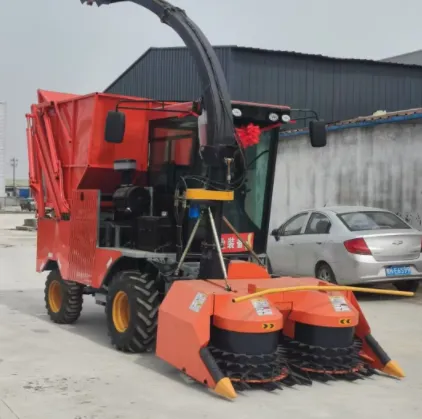
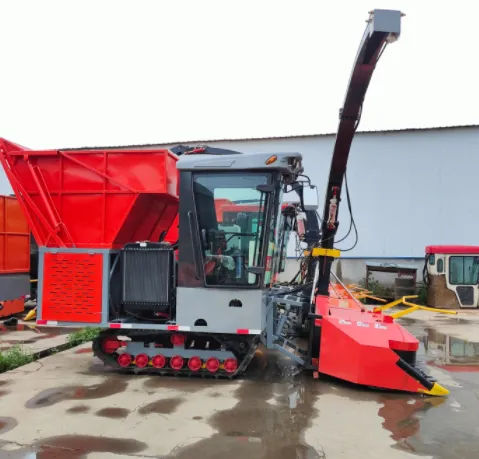
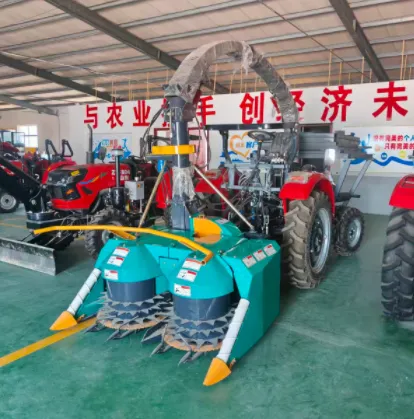
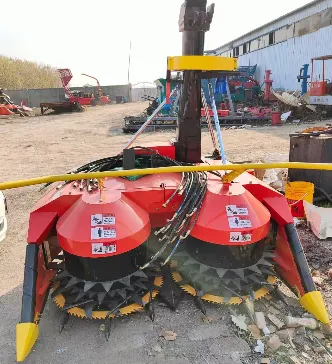
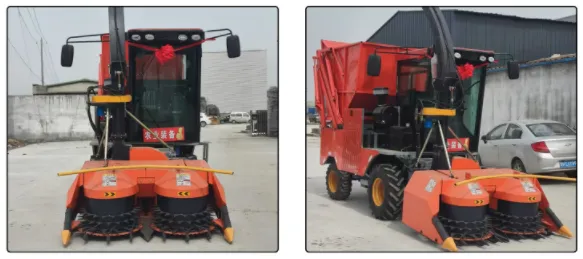
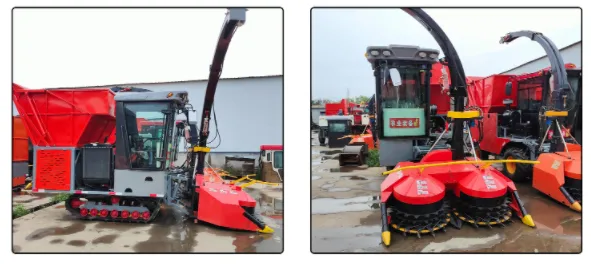
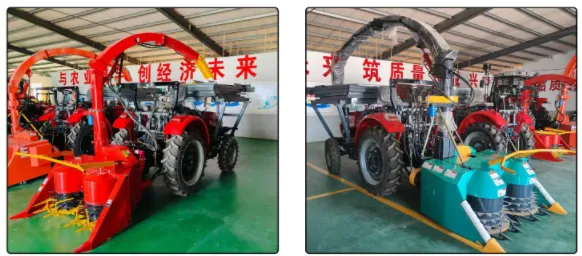
"We make three forage harvesters: towed backpack, wheeled self-propelled, and tracked. The header can be sold separately, too. Like what you see? Click below to get in touch."
Regarding machine parameters
|
model |
QC-1800Wheeled |
QC-1800Tracked |
4HZ-1600 |
tractor |
|
size(mm) |
5700X1800X2900 |
4900×1800×3300 |
1760*1630*3300 |
3300*1500*2070 |
|
Rotational Speed(r/min) |
2200 |
2200 |
2200 |
/ |
|
Working Width(mm) |
1800 |
1800 |
1500 |
/ |
|
Throwing Height(mm) |
4000 |
4000 |
4000 |
/ |
|
Throw Distance(mm) |
10000 |
10000 |
10000 |
/ |
|
Throwing Rotation Angle(degrees) |
±180 |
±180 |
±180 |
/ |
|
Operating Speed Range |
5-6km/h |
5-10km/h |
5-10km/h |
/ |
|
Forage Chop Length |
11-65mm |
11-65mm |
11-65mm |
/ |
|
Exw Price(USD) |
$20955.88 |
$19852.94 |
$13235.29 |
|
Our three forage harvester models-the QC-1800 wheeled, QC-1800 tracked, and 4HZ-1600 backpack-mounted-offer working widths from 1500 to 1800 mm, operating speeds of 5–10 km/h, a throwing height of 4000 mm, a throwing distance of 10,000 meters, and a forage chop length of 11–65 mm, with a ±180° throwing rotation angle across all models.
Five Advantages of Owning a Silage Chopper:
1. Cost-Effective for Personal Use: Harvesting your own silage eliminates the high cost of purchasing external silage. Fresh, well-crushed silage ensures better feed intake and faster weight gain for cattle and sheep. Harvesting also allows you to complete the harvest during the optimal period, avoiding losses due to rain and rotting.
2. Profitable Through Orders: During peak corn silage season, you can outsource harvesting and charge a processing service fee per acre. Wheeled and tracked models offer higher throughput and profits. During off-peak seasons, you can also take on orders for hay and straw return to the field to increase income.
3. Profitable from Straw Storage: Purchase straw from farmers at low prices, process it into silage and silage bales, and sell it to ranches during the winter and spring when forage is scarce, earning the price difference.
4. Eligible for Subsidies: You can apply for agricultural machinery purchase subsidies when purchasing the machine. Registering with a cooperative also allows you to enjoy subsidies related to grain-to-feed conversion and straw recycling, reducing the initial investment in the machine.
5. Additional income: Rent out idle equipment for a fee and accumulate resources from growers and livestock farms, which will facilitate the subsequent expansion of land trusteeship and integrated farming and breeding businesses.

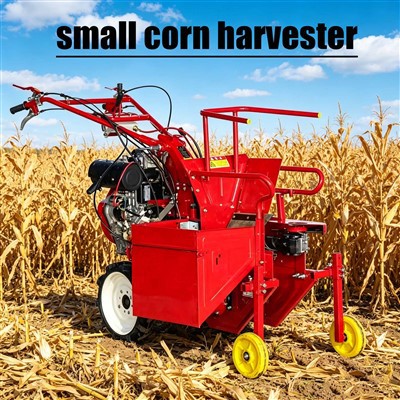
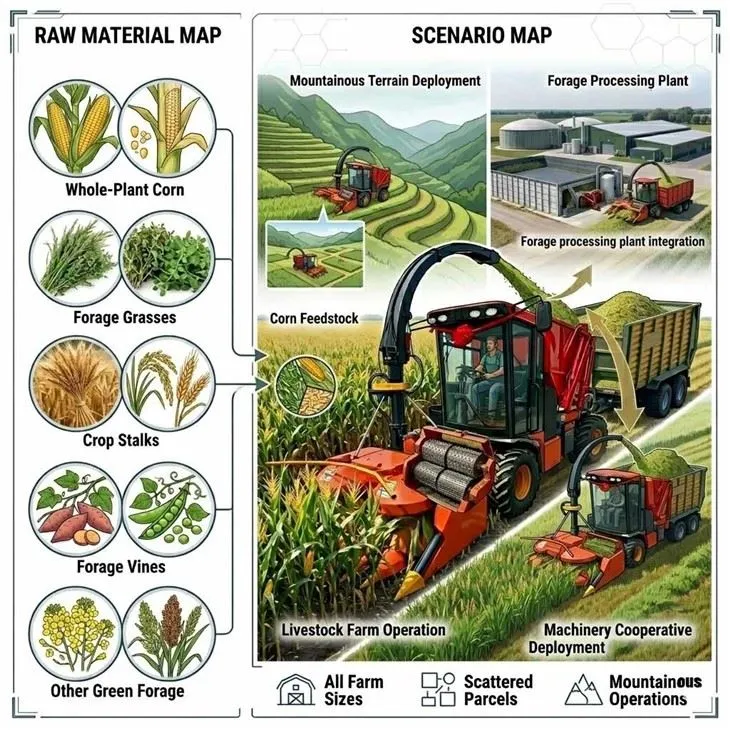
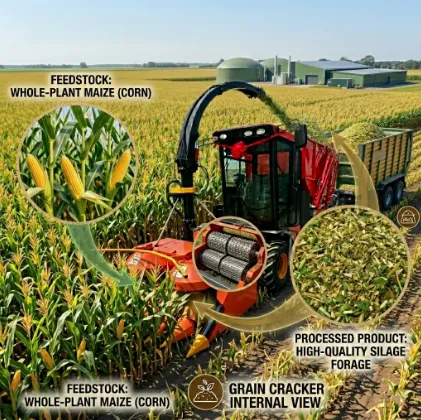
The corn harvester is compatible with a wide variety of raw materials, primarily corn, but also supports various grains and straw crops. The harvesting material can be switched depending on the header configuration. The main raw material is fresh corn ears, and it offers two harvesting modes: direct kernel harvesting and ear harvesting. It can operate at three growth stages: milk stage, waxy stage, and full maturity. It can harvest the entire corn plant with stalks for silage, or harvest ears separately and leave the stalks for return to the field.

Is this machine designed for specific tasks?
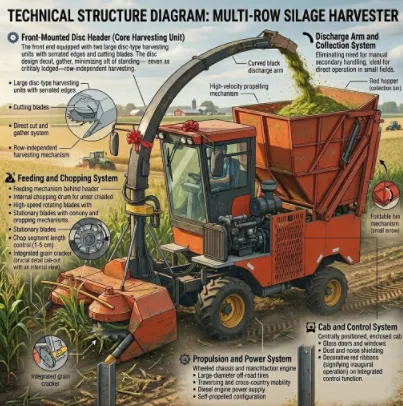
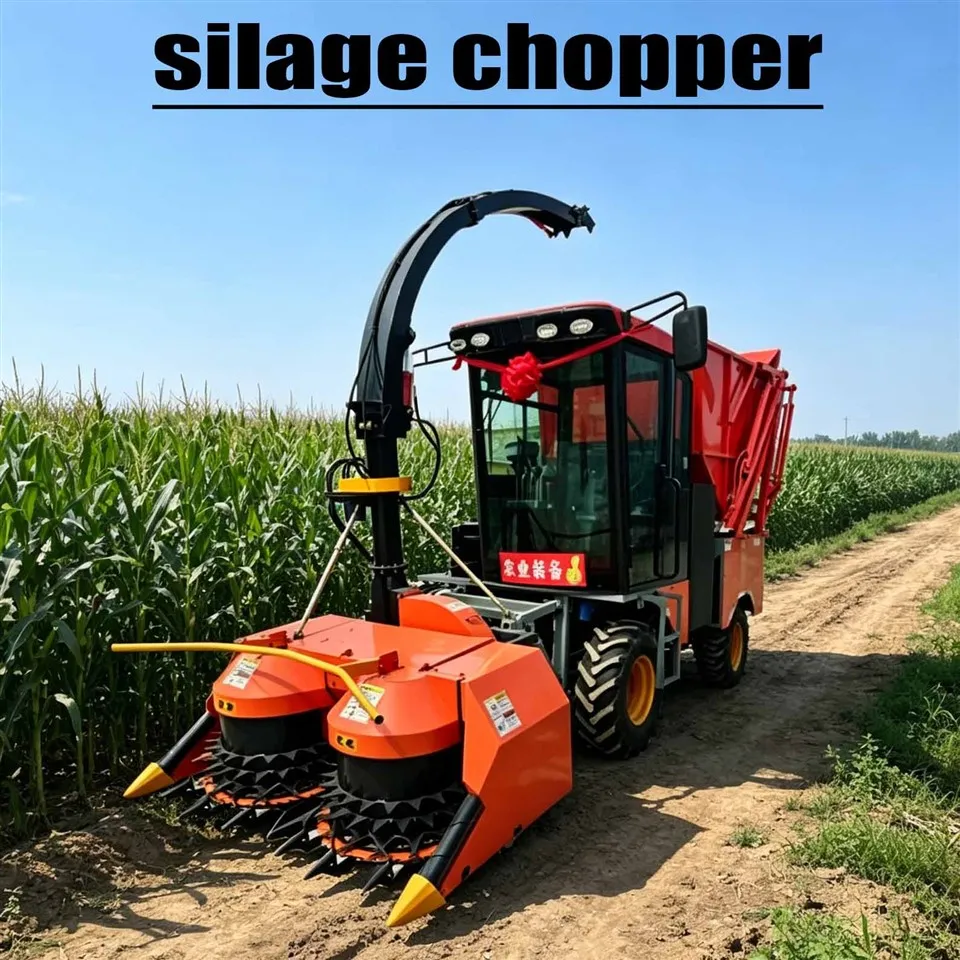
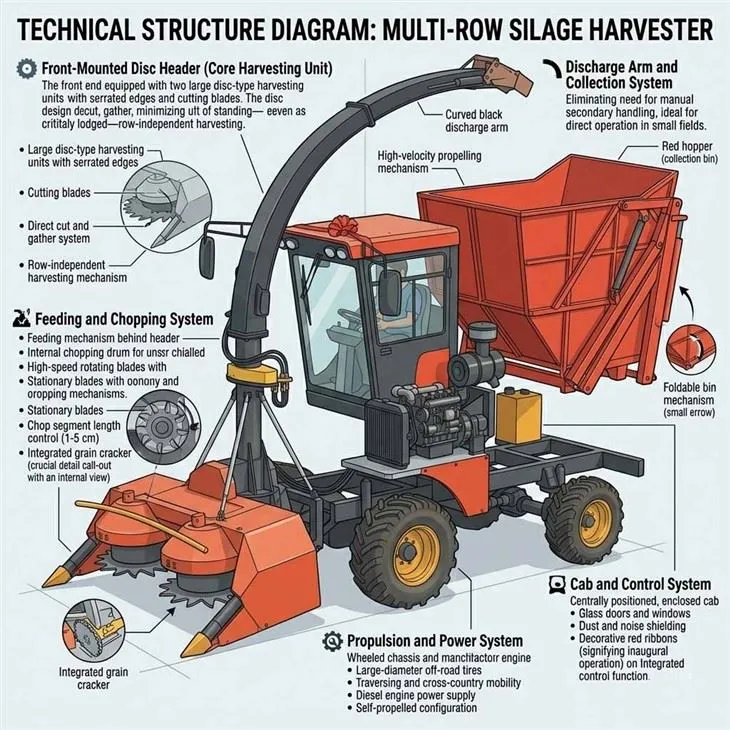
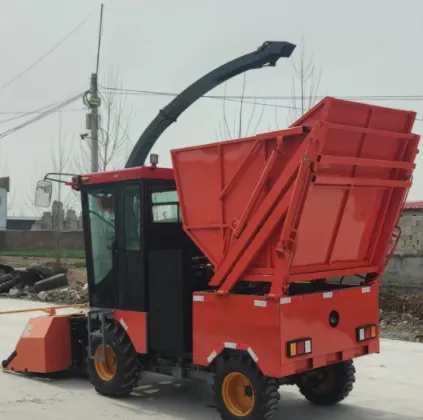
The machine consists of five core components: a front-mounted disc harvesting header, a feeding, chopping, and seed-breaking mechanism, an arc-shaped high-pressure throwing and discharge arm, a wheeled diesel-powered chassis, and a centrally sealed cab. It is equipped with a foldable storage hopper at the rear, and integrates the entire process of harvesting, crushing, and throwing silage crops.
How does this machine work?
As the machine moves forward, the front disc header can be hydraulically adjusted to cut the stubble height by 5- 15 cm. The disc serrated blades gather the fallen crops and cut them at the root, preventing soil from mixing into the silage. The cut straw is then uniformly fed into the crushing chamber by the rear forced-feeding roller. Inside the chamber, moving and stationary blades work together to cut the straw to an adjustable length of 1- 5 cm. The corn kernels are crushed by an integrated crushing roller. The crushed material is then blown directly into the foldable storage hopper at the rear by high-speed air pressure along the arc-shaped discharge arm. The entire process of harvesting, feeding, crushing, and collecting is completed in one go.
What are the key features of the two QC-1800 silage harvester models?
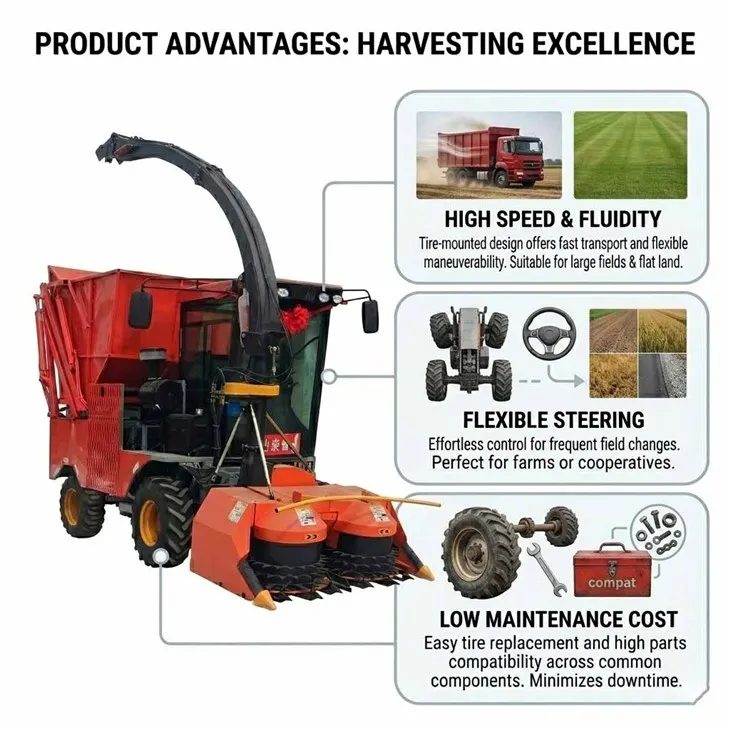
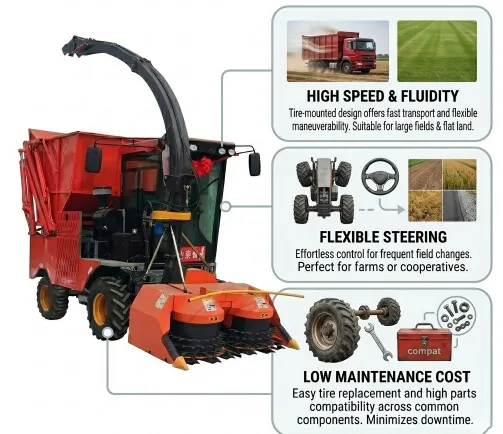
This machine runs quite fast, mainly because it uses a wheeled chassis, which is much more agile than a tracked one, making it much easier to maneuver in the fields. If you have large, contiguous plots of land with smooth roads, it's very easy to use and you can pick up speed quickly.
Furthermore, its steering is very light and effortless. In some areas where the land is fragmented, you often have to move between fields to harvest, like cooperatives or farmers with large plots who need to move between several fields a day. This machine saves them the hassle of constantly turning around.
Maintenance is also simple. The tires are all common models, so changing them is easy if they get punctured or worn out. Crucially, many parts are interchangeable with other common agricultural machinery, so you don't have to search far and wide for parts; most nearby repair shops can provide them.
Features of crawler-type corn silage harvesting equipment
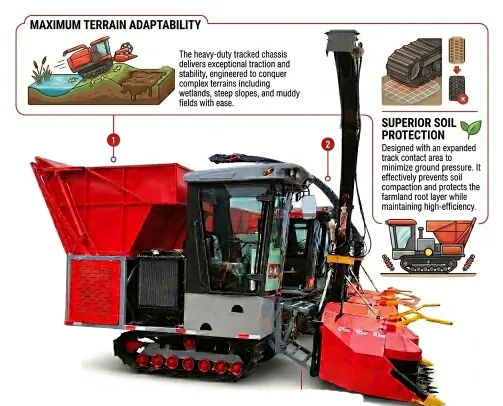
This machine excels at adaptability. Its tracked chassis provides exceptional grip. On wet, grassy areas, sloping terrain, or muddy fields after rain, wheeled vehicles would easily slip and get stuck, but this machine handles it steadily. Last year, there was a stretch of riverbank where the soil was so soft it reached ankle-deep, but this machine finished it perfectly without a hitch.
Furthermore, it's very stable. With its low center of gravity, it doesn't bounce around much. On uneven ground with potholes, ridges, and uneven ridges, other vehicles would leave you with a sore backside, but this machine provides a much smoother ride. The cut grass is also neat, without the uneven lengths caused by the machine's swaying.
And there's something many people wouldn't expect-it doesn't damage the ground. The tracks have a large contact area with the ground, resulting in lower pressure, unlike tires which tend to create deep furrows and compact the soil. Deep tilling the soil for corn planting every year is already difficult enough; if a truck further hardens the soil, the next crop won't grow well. This truck, however, leaves almost no trace of having been compacted, so farmers are happy to let it work in their fields.
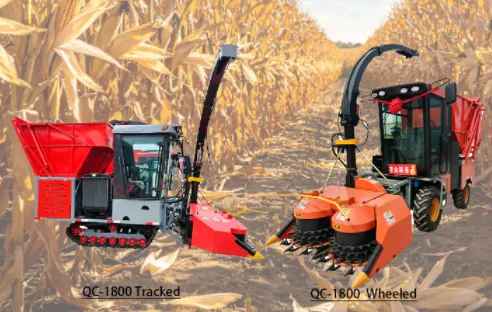
Difference between wheeled and crawler-type corn silage choppers
|
Comparison Dimension |
Tire-type Corn silage chopper |
Crawler-type Maize silage chopper |
|
Walking Style |
Wheel Drive |
Crawler Driven |
|
Adapting to the Terrain |
Plain, Dry Land |
Slopes, Wetlands, Muddy Land |
|
Operation Speed |
Fast, Easy Transition |
Slightly Slower, More Stable |
If you're interested in the Lerford forage harvester and want to learn more, don't just look at the brochures. We have professional technical consultants here-they're real people who have actually worked in the fields. They'll answer any questions you have-for example, which header to choose for different plots, how to adjust the chopping length, how to maintain the machine to save energy-they can explain all the practical issues clearly. Anyway, if you have any questions, just contact us anytime.
Complete set of forage equipment
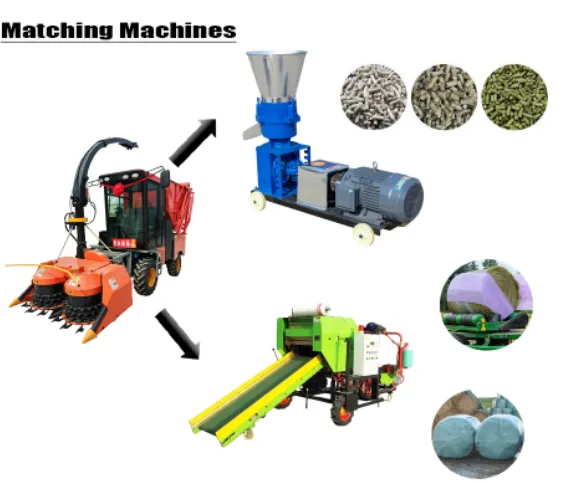
The silage chopper, when purchased as a set with a baler and pellet mill, can sequentially complete the processes of straw harvesting and crushing, silage wrapping and baling, and feed pelleting, realizing the entire chain of forage processing from field raw materials to finished feed in one stop.
Why choose Lerford?
We're a regular ag machinery supplier. Our corn silage chopper? Farmers around the world actually trust it. And there's a few reasons.
It chops evenly, so the silage doesn't go to waste - livestock get more out of it. You can adjust the header and the chop length pretty easy, whatever works for you. Speed runs about 1 to 5 km/h, which is plenty fast without being rushed. The machine's compact and solid - handles rough ground just fine. And it's not only for corn stalks. Does grass, sorghum, other forage crops too.
Plus, we've got full support. Help you pick the right model, delivery, setup, commissioning - the whole thing.
|
|
|
|
Summarize
This self-propelled silage harvester uses a disc header with adjustable cutting height. It works on corn, hay, vines-pretty much any green crop. It chops and crushes grain as it goes, and the discharge is simple. You can even pair it with a baler or pellet mill to set up a complete line from field straw to finished feed. Use it for your own place to cut costs, or do custom harvesting to bring in income. Either way, it suits all sizes of farms and contractors.
FAQ
What kinds of forage can be harvested?
Whole corn plants, sweet sorghum, Napier grass, alfalfa, peanut vines, etc. can be harvested. Both green silage and dry straw silage can be processed.
Can the stubble and chopping dimensions be adjusted?
The header has a hydraulic lifting mechanism; the stubble length is adjustable from 5 to 15 cm; the chopping length of forage can be switched between multiple settings from 1 to 5 cm.
How to choose between wheeled and tracked vehicles?
Wheeled vehicles are suitable for flat terrain and easy inter-regional transport; tracked vehicles are suitable for low-lying paddy fields, muddy areas, and hilly terrain.
How long is the warranty for the whole machine?
The whole machine has a standard one-year warranty. Consumable parts such as easily worn blades and rubber rollers are not covered by the warranty.
Hot Tags: silage harvester, China silage harvester suppliers, factory