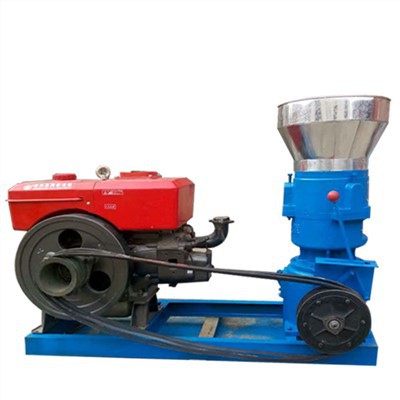


Rabbit Feed Pellet Making Machine
This specialized equipment compresses raw materials-such as alfalfa, straw, soybean meal, and corn-into high-density, nutritionally balanced feed. The high temperatures (70–100°C) generated during the pelleting process kill pathogenic microorganisms; additionally, the pellets prevent rabbits from selectively eating specific ingredients, thereby reducing feed waste by up to 15%.
Why is this machine worth buying?

1. Rabbit feed can be produced using low-cost raw materials such as crop stalks, forage grass, and grains; this eliminates the need for constant purchases of commercial feed and significantly reduces rearing costs.
2. Customize Feed to Your Specific Requirements -Rabbits at different stages of growth can be fed specific diets by mixing pre-mixes, calcium, and other disease-preventive additives (when applicable.
3. By pelletizing the entire mixture, you can make sure rabbits will not choose selectively on the concentrates and leave the forage, but also minimize feed spillage and wastage.
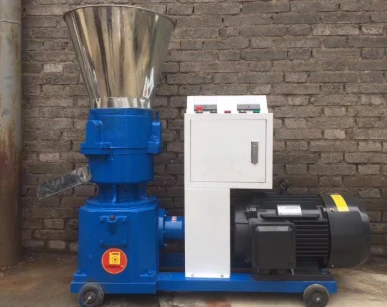
4. Options with 220V household power, 380V industrial motor, or Diesel engine; the small-size design facilitates installation in the general shed and for mobile operation.
5. When the machine is idle, it also makes feed pellets for poultry (chicken/duck) and livestock (cattle/sheep) or organic fertilizer pellets, so it's not just about rabbit feed,
6. The pellets that are produced tend to be dry and hard, so they don't absorb moisture and become moldy as fast siloed loose forage powder does, allowing for easier storage and inventory management.
What raw materials are used?
This machine can process a wide range of raw materials. Common forage materials include alfalfa powder, peanut vine powder, straw meal, grass powder and pine‑needle powder. Energy‑rich ingredients include corn, wheat bran and rice bran. Protein sources consist of soybean meal, rapeseed cake and peanut cake. You are also allowed to add shell powder, stone powder, premix, probiotics and anti‑coccidiosis additives for balanced rabbit nutrition.

Machines supplied by Lerford
We provide you six models of WSKL series flat die pellet mills from WSKL-125 to WSKL-400. With wattage between 3 kW to 30 kW and capacity from 50 kgs per hour to 1,000 kgs per hour, this equipment serves small-scale household farmers to large scale fodder processors.

Weight and size of the machine for variation of Type size: The size and weight of the machine vary according to Type size: all models have three power options: electric motor power gas engine diesel engine suitable for around power options electric motor gas engine diesel engine suitable for use in places without electricity around power options electric meter gas engine diesel engine can be used around power options for where there is no electricity suitable for place without electricity 1. They are popular for processing rabbit feed, different livestock and poultry feed, and biomass pellets.

Structural composition of the Rabbit Feed Pellet Making Machine
As an integrated‑structure pellet‑processing device, our Lerford flat‑die pellet machine is assembled with seven key assemblies for feeding, extrusion, cutting, speed‑reduction, power transmission, power supply and movable support.

Why feed ingredients to rabbits in pellets?

1. Eating pelleted feed do not selectively eat parts of the diet (they cannot pick out the corn or the hay), so they get more balanced nutrition.
2. Extrusion processes soften the raw crude fibers and enhance the palatability of peanut vines and crop stalks for target applications.
3. The extrusion process destroys a certain number of insect eggs and mold, which is beneficial in preventing enteritis and coccidiosis.
4. Pellets also produce dust, which is another factor in assessing respiratory health.
5. The feed is suitable for storage, easy to feed, and is fermented; it is conducive to large-scale breeding.
6. The probiotics and vitamins are preserved from heat damage during the low-temperature granulation process.
Wide range of applications
The pellets produced by our feed pellet machine can be used in many aspects. Most importantly, it makes feed for rabbits at different stages
Apart from rabbit feed, the WSKL flat die pellet mill can also produce feed for chickens, ducks, geese, sheep, cattle, pigeons, and other animals. It is also used to pack biomass fuel pellets made out of peanut shells, straw and sawdust. You may also make organic-fertilizer granules with animal manure.


Various die sizes are interchangeably changed to produce different sizes of feed pellets for different feeding requirements.
What are the key features?
1. Multiple WSKL model options with a wide output range
2. Three power sources: electric motor, gasoline, and diesel engine
3. Good compatibility with high‑fiber rabbit forage
4. Reversible flat‑die and unobstructed straight‑through die holes
5. Adjustable roller gap and replaceable mould for varied pellet sizes
6. Low‑temperature forming preserves feed nutrition, low‑dust finished pellets
7. Simple operation, convenient maintenance and affordable consumables
8. Multi‑functional for livestock feed, biomass and organic fertilizer pellets

How does it work?
Similar machines
In addition to flat-die pellet mills, Lerford supplies a comprehensive range of pelletizing equipment, including biomass pellet mills, fish feed pellet mills, and ring-die pellet mills. Our diverse lineup of models meets various needs-from small-scale farm pellet production and aquatic feed processing to large-scale biomass fuel manufacturing. We recommend the most suitable models based on factors such as the customer's raw materials, required hourly output, and operating environment.


Note: We offer all the products listed above for sale; please contact us if you are interested.
Showcase of Success Stories
Lerford Rabbit Feed Pellet Making Machines have been successfully installed in many countries. Our WSKL flat-die pellet mills are sold to small and medium farms in Ghana, India, and Russia for making homemade pellet feed for rabbits, poultry, and livestock. Our ring-die pellet mills are used in large-scale feed plants in Europe and Southeast Asia for the production of bulk feed.

We deliver fish feed pellet machines to aquaculture co-operatives in Tanzania and Malaysia to manufacture water-stable floating feed, and we offer biomass pelletizing machines that help overseas customers convert crop stalks, peanut shells, and sawdust into green energy pellets.
|
|
|


We can design special models of machines according to local raw material and power supply conditions and provide all buyers with operation training, technology support, and supply of wearing parts.
Why choose Lerford for your machine purchase?
Lerford, as a quality precaution for pellet machine manufacturers, has a professional workshop and technology team that can run various kinds of pellet machines by ourselves, including flat-die, ring-die, fish feed, biomass etc. models.
We provide the entire WSKL line series with various power supply options (electric motor, gasoline engine, diesel engine); the machines we supply are equipped with pure copper motors, and the parts that are subjected to wear and tear are made of alloy steel; thus, the driving system is really strong and durable.
Our machines are exported to many countries all over the world; we know different kinds of raw materials and power supply situations in every Farm. Every single unit is tested extensively and individually prior to shipment, and the packaging meets export standards.
We deliver direct from the factory, so there is no middleman markup, and we back you up fully as a partner in your pelletizing equipment needs for purchase advice, operating know-how, distance support, and the long term supply of wear parts.
 |
 |
 |
 |

FAQ
Q1: What raw‑materials can this machine process?
A1: It works with alfalfa powder, peanut‑vine meal, straw powder, pine‑needle powder, corn, wheat bran, soybean meal, peanut cake, shell powder, premix and probiotic additives for complete rabbit nutrition.
Q2: How many machine models do you supply?
A2: We have six WSKL‑series models (WSKL‑125,150,210,260,300,400), hourly output from 50- 1000 kg to suit small family‑run rabbit farms and medium‑sized breeding plants.
Q3: What power sources are available
A3: Every unit supports three power choices: electric motor, gasoline engine and diesel engine, well‑suited for farms without stable mains‑electricity.
|
Model |
Power(kw) |
Capacity(kg/h) |
Weight(kg) |
Size(mm) |
|
WSKL-125 |
3kw |
50-80 |
75kg |
640*320*750mm |
|
WSKL-150 |
4kw |
80-120 |
95kg |
640*320*780mm |
|
WSKL-210 |
7.5kw |
250-300 |
110kg |
1000*400*1000mm |
|
WSKL-260 |
15kw |
450-600 |
135kg |
1000*500*1270mm |
|
WSKL-300 |
18.5kw |
600-700 |
220kg |
1300*510*1210mm |
|
WSKL-400 |
30kw |
800-1000 |
600kg |
1500*610*1800mm |
Hot Tags: rabbit feed pellet making machine, China rabbit feed pellet making machine suppliers, factory, Feed Pellet Line