


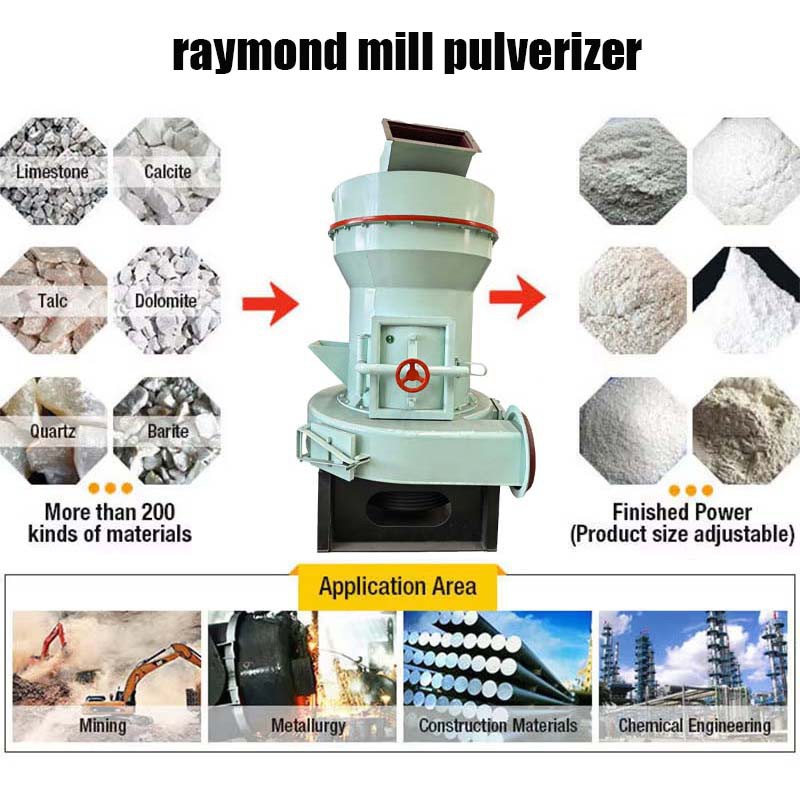


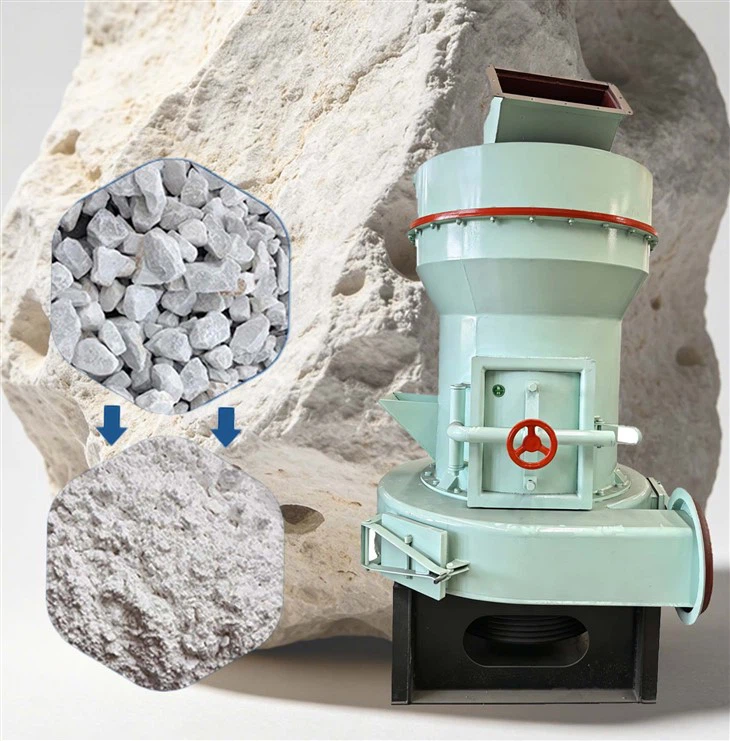

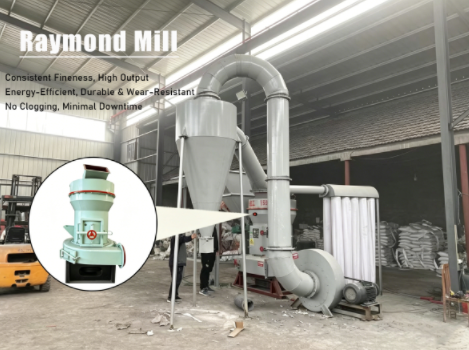
What is a Raymond mill pulverizer?
The Raymond mill is primarily used to process non-flammable, non-explosive, non-metallic minerals (such as limestone and calcite) with a Mohs hardness of ≤ 7 and a moisture content of < 6% into fine powder.
one-stop solution
Adjustable Mesh Count,
high quality
Why Is This Device Worth Buying?
Strong market demand for the finished powder, plus broad sales channels. You get a short payback period and steady profitability.
Adjustable grinding fineness means one machine handles multiple jobs. A single unit can support a diverse range of applications.
Energy-efficient and cost-effective. Compared to equivalent output, electricity use drops by over 30% – operating costs go way down.
Highly automated production. Less reliance on manual labor – you can run lean.
Small footprint, low barriers to setting up a plant. Minimal initial investment, fast track to operation.
Low noise and dust‑free operation – clean and environmentally sound. You can run long, continuous shifts without worries.
Wear‑resistant and durable parts, with an extremely low failure rate. Even running 24/7, year in and year out, performance stays rock solid.

Machine Parameters Table
|
Model |
Number of Grinding Rollers |
Max. Feed Size (mm) |
Finished Product Fineness (mesh) |
Hourly Capacity (t/h) |
Main Motor Power (kW) |
Blower Power (kW) |
Classifier Power (kW) |
weight |
Size(m) |
|
3R1510 |
3 |
10 |
80-325 |
0.3-1.2 |
7.5 |
5.5 |
1.1 |
1.8t |
3.*3*3.8 |
|
3R2615 |
3 |
20 |
80-325 |
0.5-2.7 |
18.5 |
15 |
2.2 |
3.8t |
4*4*4.8 |
|
3R/4R3016 |
3/4 |
20 |
80-325 |
0.8-5 |
30 |
30 |
2.2 |
4.8t |
4*4*4.8 |
|
4R3216 |
4 |
25 |
80-325 |
1.0-8 |
37 |
30 |
5.5 |
10t |
6*6*7 |
|
4R3220 |
4 |
28 |
80-400 |
1-10 |
45 |
37 |
5.5 |
10t |
6*6*7 |
|
5R4121 |
5 |
30 |
80-400 |
5-10 |
75 |
75 |
7.5 |
20t |
7*7*8 |
| price(usd) | $4989-$50000 | ||||||||
Look at that table? It only covers the usual suspects-the models everyone asks for first. But we've got both bigger beasts and smaller, leaner units sitting in our lineup. Want specs on those? Drop us an inquiry; that's how real deals start.
Now, don't ask for a fixed price. Anyone who's shipped grinding gear knows: your location and the destination port change everything. Customs clearance, sea freight, local taxes-it all adds up differently. So for a real quote, talk directly to our sales crew. They'll crunch the numbers based on where you're actually landing the machine.
What are the raw materials?

Look, this machine has its sweet spot. We're talking non‑metallic minerals that won't catch fire or blow up. Hardness? Cap it at Mohs 7. Moisture? Keep it under 6%. Cross either line, and you'll be cursing the day you bought it. Wet material clogs the chutes, and anything harder just laughs at your rollers.
What works? Plenty. Limestone, calcite, marble, and dolomite-those are the daily bread. Even granite scraps, pebbles, river stones, if you've got them crushed down. On the softer side: talc (slippery as hell, but it grinds), barite, fluorite, potash feldspar, albite. Then quartz is right at the hardness limit, so watch your wear parts. Wollastonite, mica, magnesite, bauxite? All game, provided you pre‑dry if needed.
You see Raymond bowl mills out in the field all the time. Metallurgy, construction, mining, chemicals, road building-they've earned their keep in every dirty corner of heavy industry. But here's what most people miss: it's not just about crushing rock. The powder these mills put out? That's your inorganic filler. Go to any putty powder line, any double‑layer fly ash operation-you'll find it. Paints and coatings? Same story. Power plant desulfurization? They won't run without it. Plastic fillers, toothpaste, and even paper. Yeah, paper.
One thing I've learned: the same machine that grinds desulfurizer at 325 mesh can switch to toothpaste-grade fines in an afternoon. Just watch your classifier speed and keep the moisture down. Guys who ignore that end up with lumpy filler and a pissed‑off customer.

So, how does the Raymond mill pulverizer work?

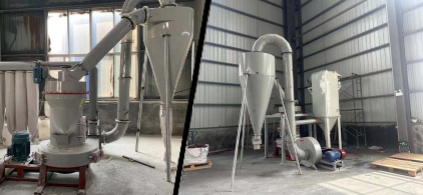
Look, here's how we actually sell this setup: as a complete package. Main unit, classifier (separator), blower, cyclone, plus all the motors and electrical controls. You can't pick just one piece and expect powder to come out. The whole train has to run together-no exceptions, no half‑measures.
The components are physically separate. That's not a design flaw; it's for your sanity. When the classifier blades wear down, or a motor bearing gives up, you swap only the bad part. You don't have to torch the entire system.

Features
A Complete Set is Non‑Negotiable
You want powder? Then you run the whole damn line: main unit, classifier, blower, cyclone collector, and motor. Five pieces, one heartbeat.
Vertical Closed‑Circuit Circulation
Compact footprint? You bet. The vertical layout squeezes into tight shops where floor space costs real money. The negative‑pressure air circuit loops back on itself, with zero leakage and zero dust sneaking out.
Roller‑Grinding Mechanism
Here's the physics: centrifugal force slams the rollers against the grinding ring. Scraper blades keep feeding material upward into the crush zone. Wear is surprisingly even; flip the rollers after six months, and you get another half‑year of life.
Adjustable Air Classification
The classifier impeller speed? Turn a dial. That's it. You can swap from 80‑mesh coarse to 400‑mesh fine in the same shift.
Material Limitations – Respect Them
This machine eats non‑metallic minerals at Mohs ≤7 and moisture under 6%.
Minimal Wear Parts – Thank God
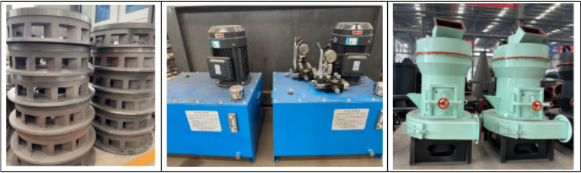
Only three things wear out: rollers, rings, and scraper blades. That's it. Classic, no‑nonsense design. A seasoned tech could swap them blindfolded, unbolt, lift, and slide the new ones in.
Fully Enclosed and Dust‑Free
Air loops inside, through a built‑in return duct. Dust doesn't see daylight. I've walked inspectors through running mills with a white shirt on, and walked out still clean. Environmental compliance? Handled.
Advantages of Purchasing Raymond Mills from Our Lerford:
Direct from the Manufacturer: Value for Money Is the Bottom Line
We manufacture it ourselves, and we sell it ourselves. Middlemen? None whatsoever. We cut out that entire markup and pass the savings directly on to you. The price you pay is the factory-direct price. Furthermore, our spare parts are genuine OEM components, and their pricing is completely transparent-you know exactly how much a full set costs.
Full Lifecycle Service-More Than Just a Slogan on the Wall
Pre-sales: No Empty Talk
Need help selecting the right model? We start by asking you the critical questions: What is the raw material? What is its moisture content? Is your target fineness 200 mesh or 325 mesh? Is the local elevation high? If we don't clarify these details first, equipping you with an oversized machine would be a complete waste of electricity. We provide complimentary process design services-we'll even dispatch a team to conduct an on-site inspection of your facility. This isn't just a cursory glance; we bring tape measures to verify the exact width of your factory doors and the load-bearing capacity of your foundation. We've performed these tasks hundreds of times, so we know exactly where the potential pitfalls lie-even with our eyes closed.
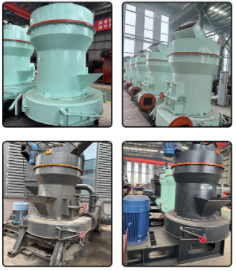
Mid-sales: We See the Installation and Commissioning Through to the End
Once the machinery arrives, we send our technicians to your site. We don't just drop off an instruction manual and walk away. From leveling the foundation and tightening anchor bolts to applying sealant at the air duct joints, our team provides hands-on, step-by-step guidance. We power up the machine for a test run, collect the resulting powder, and use sieves to verify the fineness. If it meets the specifications, you sign off on it; if not? Our technician stays put until it does. The job isn't considered complete until your operators can consistently adjust the classifier speed to achieve both high efficiency and stability. We take training seriously-it's not just a formality. I've seen far too many factories suffer a 30% drop in output simply because a single grinding blade angle wasn't adjusted correctly-a problem they couldn't even diagnose themselves.
After-sales: Lifetime Technical Support
Five years down the road, if you decide you want to change the fineness of your output or switch to grinding a different type of ore, just give us a call. The very same person will answer the phone and provide you with a customized solution, completely free of charge.
|
|
|
|
|



Summarize
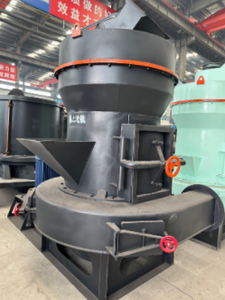
This Raymond mill pulverizer adopts an integrated matched full-set structure with vertical closed-circuit negative-pressure circulation, applying centrifugal roller grinding and pneumatic adjustable classification, suitable for low-hardness non-metallic minerals, featuring few easy-to-replace wear parts, energy saving, full sealing and dust-free, and environmentally friendly operation.
Hot Tags: raymond mill pulverizer, China raymond mill pulverizer suppliers, factory, Home Made Machine


