

Tea is a beverage made from tea tree leaves that is one of the most widely consumed beverages in the world due to its unique aroma, refreshing taste, and multiple health benefits, and has rich historical and cultural significance in many countries. The production process of tea varies from species to species but usually involves picking leaves, wilting, crushing, oxidizing, and drying. The efficacy of tea is attributed to the natural compounds present in the leaves, which have many health benefits such as reducing stress, promoting weight loss, and preventing chronic diseases. Types of tea include green, black, white, oolong, and herbal teas, each with unique flavors and characteristics. Overall, tea is a beverage loved by millions of people around the world.

How to package tea using a packing machine?
1. Choose the right packaging material
Tea needs to be packaged with the right packaging materials to preserve freshness and retain its aroma and flavor. There are many types of materials you can use to package your tea, including paper, plastic, tin, and cotton.
Paper: Paper is a common tea packaging material because it is biodegradable and environmentally friendly. It is ideal for loose tea leaves, tea bags, and tea bags. Paper tea bags prevent oxidation and help preserve the aroma and flavor of tea. You can also use paper bags to pack large quantities of tea.
Plastic: Plastic is also a popular tea packaging material, but it is not as environmentally friendly as paper. You can use plastic bags to pack loose tea leaves, tea bags, and tea bags. Plastic bags are lightweight, easy to transport, and durable. However, they do not provide as much light and air protection as other materials.
Tin: Tin is an excellent tea packaging material because it is breathable, opaque, and durable. You can use tin containers to pack loose tea leaves or tea bags. Tin containers keep your tea fresh and protect it from moisture, light, and air.
Cotton: Cotton is a natural material that is ideal for packaging tea because it is breathable and moisture-absorbent. You can use cotton bags to pack loose tea leaves. Cotton pouches help preserve the aroma and flavor of tea while protecting it from moisture and air.

2. Seal tea packaging correctly
The correct sealing is essential for packaging tea. Sealing helps keep tea fresh and prevents moisture, light, and air from damaging the quality of the tea. Loose tea leaves or tea bags can be sealed in paper, plastic, or tin containers using tape or heat sealing.
Tape: Tape is commonly used to seal paper bags and plastic tea bags. You can seal the bag manually with scotch tape.
Heat sealing: Heat sealing is the most effective way to seal tea bags. Heat sealing ensures that the tea bag is airtight, moisture-proof, and protected from light. Heat sealing is suitable for plastic, tin containers, and paper bags.
3. Labels on tea packaging
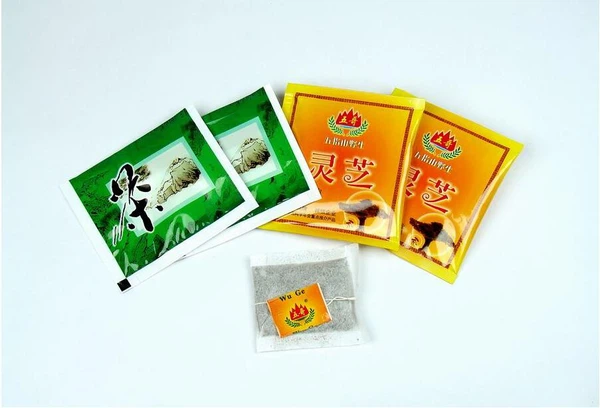
Labels on tea packaging are essential to identify the tea variety, packaging date, and expiration date. Labels help maintain the quality of the tea leaves and ensure that the tea leaves are used before they expire. Proper labeling can also help customers identify the tea they want to buy or use. The label should include the tea variety, packaging date, and expiration date. You can also add additional details such as brewing instructions and the origin of the tea.
4. Store tea leaves properly
Tea needs to be stored in a cool, dry, well-ventilated place. Storage conditions depend on the type of tea you are packing.
Green tea: Green tea needs to be stored in a cool, dry, dark place. Green tea should be stored in an airtight container to prevent moisture and air from affecting the quality of the tea.
Black tea: Black tea needs to be stored in a cool, dry, dark place. Black tea should be stored in a tinplate container or an airtight plastic container to preserve freshness and prevent oxidation.
Herbal tea: Herbal tea needs to be stored in a cool, dry, dark place. Herbal tea should be stored in an airtight container to prevent moisture and air from affecting the quality of the tea.
5. Pack tea leaves in small batches
To ensure freshness and quality, it is essential to package tea leaves in small batches. Packaging tea leaves in small batches is good to prevent oxidation and moisture affecting the quality of the tea. Small batches of tea are also easier to manage, store, and transport.
Properly packaging tea leaves is essential to maintain its quality and flavor. Choosing the right packaging material, sealing the package correctly, labeling the packaging, storing tea in the right conditions, and packaging tea in small batches are all key factors to consider when packaging tea. Proper packaging will ensure that tea lovers around the world will be able to enjoy their favorite teas and appreciate the unique flavors and aromas they offer.
The types of packaging machines
1. Powder Packaging Machine

2. Liquid Filling Machine

3. Tea Packing Machine

4. Vacuum Packaging Machine

5. Powder Filling And Sealing Machine

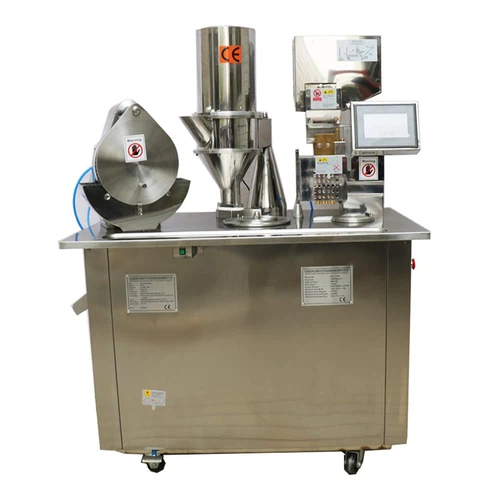
6. Tablet Packing Machine
7. Bottle Filling Machine

8. Pillow Pouch Packaging Machine

How to choose the suitable packaging machine?
1. Determine your packaging needs: The first step in choosing the right packaging machine is to determine your packaging needs. What product do you want to pack? What are the sizes and shapes of your products? Do you need a single piece or multiple packs? Do you need to pack them in bags, pouches, or boxes?
2. Determine your production requirements: You should also consider your production requirements when choosing a packaging machine. How many packages per hour or day do you need to produce? What are your production goals?
3. Consider your budget: Packaging machines range from low-cost manual machines to high-end fully automatic machines. Determine your budget before you start buying a packing machine and choose the one that fits your budget.
4. Evaluate ease of use: Look for packaging machines that are easy to use and operate. It should have a user-friendly interface and intuitive controls.
5. Evaluate reliability and durability: You don't want a packaging machine that breaks down frequently or requires frequent maintenance. Choose a machine that is reliable, durable, and able to withstand harsh production environments.
6. Evaluate after-sales support: Finally, the after-sales support provided by the manufacturer should also be considered. Find out if they offer installation and training, technical support, and replacement parts. Choose a manufacturer that offers full after-sales support to ensure your packaging machine stays running for years to come.
The role of tea
Tea has been consumed for centuries for its refreshing taste and health benefits. Tea contains a variety of bioactive compounds, such as catechins, polyphenols, and caffeine, which have health-promoting properties. The function of tea depends on the type of tea, as they contain different levels of bioactive compounds.
For example, green tea contains high levels of catechins and polyphenols, which are potent antioxidants that can protect the body from chronic diseases such as cancer, diabetes, and heart disease. Black tea, on the other hand, contains theaflavins, which are antioxidants that also help lower blood pressure and improve heart health. Herbal teas such as chamomile, ginger, and peppermint have several health benefits, such as reducing inflammation, aiding digestion, and relieving stress and anxiety.
In addition to its health benefits, tea has a relaxing effect, making it an ideal beverage to promote physical and mental health. Tea contains L-theanine, an amino acid that helps reduce stress and anxiety by promoting relaxation and lowering cortisol levels. The caffeine in tea also has a stimulating effect on the brain, increasing alertness and improving cognitive function.

The efficacy of tea
The efficacy of tea is attributed to the natural bioactive compounds present in the leaves. These compounds have many health benefits and have been extensively studied in scientific research. The health benefits of tea are numerous and vary depending on the type of tea and the level of bioactive compounds present. Some of the most studied and identified health benefits of tea include:
1. Reduce the risk of chronic diseases: Tea contains antioxidants that help prevent the occurrence of chronic diseases such as cancer, heart disease, and diabetes. The antioxidants in tea help neutralize harmful free radicals in the body and reduce cell damage and inflammation, which are major risk factors for chronic diseases.
2. Improve heart health: The flavonoids in tea help lower blood pressure and improve heart health. Drinking tea regularly may reduce the risk of heart disease, stroke, and other cardiovascular diseases.
3. Promotes weight loss: The natural compounds in tea help boost metabolism and promote fat burning. The catechins in green tea have been shown to promote weight loss by increasing fat oxidation and reducing appetite.
4. Enhance brain function: The caffeine in tea has a stimulating effect on the brain, promotes alertness, and improves cognitive function. The L-theanine in tea also helps promote relaxation, reduce stress and anxiety, and improve overall mental health.
5. Improve bone health: The phytochemicals in tea have been shown to promote bone health and reduce the risk of osteoporosis. The natural fluoride in tea helps strengthen teeth and prevent tooth decay.

Development of tea
The development of tea involves several stages from cultivation to harvesting, processing, packaging, and marketing. The process begins with the cultivation of tea plants, which are grown on plantations in different parts of the world. Tea is mainly produced in tropical and subtropical regions such as India, China, Kenya, Sri Lanka, and Japan. Tea plants grow in well-drained soil and depending on the type of tea, the leaves are picked by hand or by machine at specific intervals.
After the tea is harvested, it is processed to extract the natural compounds present in the tea. Processing methods vary depending on the type of tea. For example, green tea is steamed and dried to retain its natural composition, while black tea is fermented and oxidized to enhance its flavor and aroma. The processing method affects the taste, aroma, and color of the tea.
After processing, the tea is packaged and sold for distribution to consumers around the world. Tea leaves come in different packaging forms, including tea bags, loose tea leaves, and instant tea powder. Tea bags are the most common form of tea packaging because they are convenient and easy to use. Loose tea leaves are preferred by tea lovers who love to brew tea and enjoy the full flavor and aroma of tea.

Tea is a delicate beverage that can easily lose its aroma, flavor, and quality if not stored properly. Factors that affect tea storage are light, temperature, humidity, and air. Here are some tips for storing tea leaves to keep them fresh and delicious for a long time.
1. Choose the appropriate container
The container in which the tea is stored plays a vital role in maintaining the quality of the tea. Avoid storing tea in bags or packaging that are not sealed or do not protect the tea from air, moisture, or light. Instead, choose containers made of light-blocking materials such as metal, ceramics, or porcelain.
Glass containers can also be used, but they should be dark or colored to prevent light penetration. Always make sure that the container you are using is airtight and well-sealed. This will prevent air from entering the container and expose the tea leaves to substances that may affect quality.
2. Keep tea protected from light
Light is an important factor affecting the quality of tea. Exposure to light can cause the tea to lose flavor, aroma, and color. Therefore, the preservation of tea must be protected from light. The light can be natural or artificial, so it is best to store the tea in a dark place, such as a pantry or cupboard, away from direct sunlight.If the tea leaves are stored in a clear glass container, you need to store it in a dark place or cover the container with a dark cloth or paper to avoid exposure to light.
3. Cryogenic
Temperature also affects the quality of tea. High temperatures increase the speed of chemical reactions, which can lead to the deterioration of tea aroma, flavor, and color. Therefore, tea is best stored at low temperatures. The ideal temperature for tea storage is 15 to 20 degrees Celsius. Avoid storing the tea in the refrigerator as this can cause moisture to build up and cause the tea to have an additional smell or taste. In addition, storing tea leaves in the refrigerator may cause damage due to moisture buildup, which can affect the quality.
4. Keep dry
Moisture can cause the tea to spoil quickly. Therefore, tea must be stored in a dry place. Make sure the container you use is airtight and moisture-proof, as this protects the tea from moisture. Avoid storing tea in damp places, such as kitchens, bathrooms, or basements, as these areas can be damp. If you live in a humid environment, use a desiccant such as silica gel to absorb excess moisture.
5. Avoid direct contact with air
Air is another important factor affecting the quality of tea. Oxygen in the air causes oxidation of the tea leaves, resulting in a loss of flavor and aroma. Therefore, tea must be stored in an airtight container and avoid contact with air. After opening the container, use it quickly and immediately reseal. This will help minimize the amount of air that comes into contact with the tea.
6. Do not store different types of tea together
Storing different types of tea together allows them to absorb each other's flavors. Therefore, it is best to store different tea leaves separately. If you don't have enough containers for all types of tea, it's best to store them in zip-lock bags in different places.
7. Don't store tea for too long
Tea cannot be stored indefinitely and is best consumed within six months to a year of purchase. Therefore, tea should be avoided for too long to store. Make sure to buy tea leaves in small quantities at once and drink them quickly to enjoy their fresh taste and aroma.
In conclusion, tea storage requires attention to detail. Light, temperature, humidity, air, and other factors will affect the quality of tea. Therefore, tea must be stored in a shading closed container, in a dark and dry place, at a cool temperature, and away from air. By following these tips, you can enjoy the aroma, flavor, and quality of your tea for a long time.

The development history of Lerford packaging machines:
Our company's packaging machines have a long and successful history of development, the company was founded by a group of professionals who are passionate about manufacturing high-quality packaging machinery that meets the needs of various industries.
In the beginning, Lerford company focused on developing and manufacturing simple and durable packaging machinery that can be used for small and medium-sized businesses. These machines are designed to meet the basic packaging needs of companies that are just starting out and have limited resources. Over time, our engineers and technicians have introduced innovative features to the machine, such as automatic bag filling and sealing, bag forming, etc.
Later, Lerford company began to focus on developing customized packaging machines for large enterprises. Companies in various industries such as food and beverage, pharmaceuticals, and cosmetics are looking to our services because they need machines that can meet the specific packaging requirements of their products.

With the increasing demand for customized packaging machines, our company has invested heavily in research and development to manufacture more advanced and sophisticated machines. Our engineers and technicians work hard to integrate computer control and automation functions such as sensors, actuators, and programmable logic controllers (PLCs) into these machines. This helps increase efficiency, accuracy, and reliability and reduces the need for manual intervention.
Today, Lerford company's packaging machines are considered the most reliable, efficient, and cost-effective machines on the market. They are designed to meet the specific needs of different industries and can handle a wide range of products, including liquids, powders, solids, and more. Our engineers and technicians are constantly working to improve our packaging machines by incorporating the latest technological advancements and software solutions. Our goal is to create more efficient, accurate, and user-friendly machines that help our customers increase productivity, reduce costs and meet their customers' needs.

The history of our company's packaging machines demonstrates our commitment to providing high-quality products that meet the changing needs of various industries. We've come a long way since we started, but our dedication to innovation, excellence, and customer satisfaction hasn't changed. We are confident that Lerford packaging machines will continue to play a vital role in the success of many businesses in the years to come.
Precautions for the use of packaging machines
1. Always follow the correct machine operating procedures and guidelines outlined in the manufacturer's operator's manual.
2. Ensure that all machine guards and safety devices are securely seated before operation.
3. Ensure that all personnel are adequately trained in the proper use and operation of the packaging machine.
4. When operating the machine, wear appropriate personal protective equipment such as gloves, goggles, and safety shoes.
5. Regularly inspect and maintain the machine to prevent failures and ensure safe operation.
6. Keep the working area around the machine clean and free of debris to prevent accidents.
7. Never attempt to repair the machine or modify its components without proper authorization and training.
8. Always shut down the machine before performing any maintenance or cleaning procedures.
9. Keep all loose clothing, jewelry, and long hair away from the moving parts of the machine.
10. If there is any malfunction or abnormality in the machine, please stop using it immediately and seek professional help.
The difference between Lerford company's packing machines and others
Lerford Company is a leading manufacturer and supplier of high-quality packaging machinery for various industries. Our goal is to provide our customers with the most advanced, efficient, and reliable packaging machinery on the market. We have a team of experienced engineers and technicians dedicated to providing innovative and customized solutions to meet the specific needs of our customers.
One of the main differences between our company's machines and those of other companies is our commitment to using the latest technology and industry standards in the design and production of our machines. All our machines are manufactured with high-quality materials and components to ensure their longevity, durability, and reliability. We also provide our customers with comprehensive training and support to ensure that their machines operate safely and efficiently.
Our packaging machines are designed to handle a wide range of products, including food, pharmaceuticals, cosmetics, and other industrial products. They come in different sizes and formats to meet different production needs and requirements. Some of the most popular machines in our product range include automatic filling machines, capping machines, labeling machines, and sealers.
Our machines are highly customizable and we work closely with our customers to understand their specific needs and requirements before recommending the right packaging machine. We offer a variety of options and features to improve machine performance and efficiency and optimize packaging processes.

The after-sales service in Lerford company
In addition to the high quality of our machines, another key factor that sets us apart from other manufacturers is our after-sales service. We believe that our service to customers does not end after customers purchase our machines. We also offer ongoing support and maintenance services to ensure their machines are operating in an optimal and efficient manner.
Our after-sales service consists of several parts, including technical support, maintenance, repair, and training. Our team of skilled technicians and support staff are on hand to assist and troubleshoot our customers. In addition, we offer our customers regular maintenance and service packages to ensure that their machines are always running efficiently and that any problems are identified and resolved in a timely manner.
If repairs are required, we have an effective process in place to ensure downtime and production interruptions are minimized. Our team of expert technicians can diagnose and repair any malfunctions or problems with our customers' machines. We also keep a large stock of spare parts to ensure fast and efficient repairs.
Finally, we train and support our customers to ensure they have the knowledge and skills to operate our machines safely and efficiently. We offer on-site training and our training programs cover machine operation, maintenance, and troubleshooting.