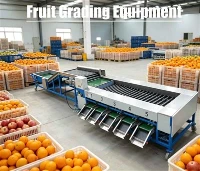


How is fruit grading done?
Fruit pickers should conduct a primary selection of fruits when harvesting in orchards, and all rotten fruits and unusable fruits shall not be packed into boxes and transported into the packing yard. After the fruit enters the packing yard, it is generally selected and graded in two processes. At present, most fruit production and management units will select and grade at the same time, collectively referred to as grading.
Modern packing yards tend to first sort the fruit by quality, and then the fruit of each grade is graded by size. Selection is called according to quality, and each fruit is graded according to size and type. Usually grading is carried out on the fruit selection table, which is a rubber conveyor belt, and the fruit selector stands on both sides of the conveyor belt to remove the fruits that are not in line with specifications, irregular shape, too large or too small and sent for processing or other processing. Fruits suitable for fresh sale and storage are then graded according to size.

The current artificial grading method is generally selected and graded according to the size, color, shape, maturity, diseases and pests and mechanical injuries of the fruit, and according to the domestic and foreign sales standards stipulated by the state. Through grading, the fruit specifications are the same, the quality is consistent, which is convenient for packaging, transportation and sales, and the standardized operation of fruit production and sales is realized.
The grading of modern packing yards has been automated, often automatically dividing fruits into stages based on fruit weight or cross diameter. Citrus and apples also began to be mechanized using graded waxing machines. Manual operations are generally carried out with fruit grading plates. The grading board is made of 6~7 round holes of different diameters carved on a rectangular smooth wooden board. When grading, the fruit is fed into the hole by hand, and the level of the fruit can be quickly separated. Experienced workers generally use a combination of hand measurement and visual inspection to grade, and they can quickly separate the level of fruit.
The role of fruit grading:
The role of fruit grading is mainly reflected in four aspects: First, measure the economic value of the fruit itself, distinguish and sell fruits of different quality, and achieve high quality and competitive prices. The sorted fruits look even, the size is similar, the packaging is better, and it has more selling appearance, which can naturally be sold at a high price. Second, it is conducive to the standardization of fruit production, circulation and other links, reducing losses and reducing waste; The third is to ensure the interests of both supply and demand; The fourth is to enhance the international competitiveness of domestic fruits and increase the import threshold of foreign fruits.

The sorting of the fruit after it is picked from the tree belongs to the production process. In the process of grading and screening, removing fruits with insects and fruits with injured skin in advance can effectively reduce the spread of pests and diseases, and also save consumers trouble when consuming.
However, fruit grading is complex and generally consists of multiple indicators, such as fruit size, freshness, length of the stalk, skin color, and pests and diseases. In the past, fruit farmers planted fruit, and there was no uniform harvesting standard and selling price. Sorting is based on personal experience. Generally, the sorting master judges the diameter according to his own feeling, and then the size of his fist. This approach may seem simple and practical, but it is very difficult to operate in practice.
Now, grading and sorting has a porous grader, a handheld sugar meter, and a printed color swatch for comparison. There are also some agricultural cooperatives or agricultural product distributors who directly use automatic sorting machines, which greatly reduces labor costs and improves sorting efficiency.
If necessary, you can click on the website to get in touch with us: